What to do when chronic pain is unbearable?
Lifestyle Modifications
Adopting specific lifestyle changes can significantly affect the management of chronic pain. Prioritizing sleep hygiene is essential, as quality rest enhances overall well-being. Incorporating low-impact activities into daily routines can improve physical function and emotional resilience. Additionally, staying hydrated and balanced in nutrition can impact energy levels and inflammation, both critical factors in pain management. Understanding one’s pain triggers can facilitate better decision-making regarding daily activities and stress management.
Social support plays a vital role in coping with chronic pain. Engaging with friends and family can provide emotional comfort and practical help. Joining a support group allows sharing experiences and obtaining valuable insights from others facing similar challenges. Creating a daily schedule that includes time for relaxation, gentle exercise, and social interactions can foster a balanced approach to managing persistent discomfort. Establishing consistent routines may help reduce anxiety and promote a greater sense of control over one’s life.
Click here for additional info.
Diet and Nutrition for Pain Management
Food plays a crucial role in managing chronic pain. Certain foods can either exacerbate inflammation or help alleviate it. Incorporating a diet rich in fruits, vegetables, whole grains, and healthy fats can provide essential nutrients and antioxidants. Omega-3 fatty acids found in fish, seeds, and nuts have been shown to reduce inflammation and may help improve overall comfort levels. Limiting processed foods, sugars, and trans fats can also contribute to a decrease in pain intensity.
Hydration is another important aspect of nutrition that should not be overlooked. Drinking adequate amounts of water supports overall bodily functions and can help reduce the perception of pain. Some individuals might find relief through specific diets, such as the Mediterranean diet, which emphasizes whole foods and lean proteins. Experimenting with various dietary choices can help identify what works best to manage one's pain symptoms effectively.
Physical Therapy Benefits
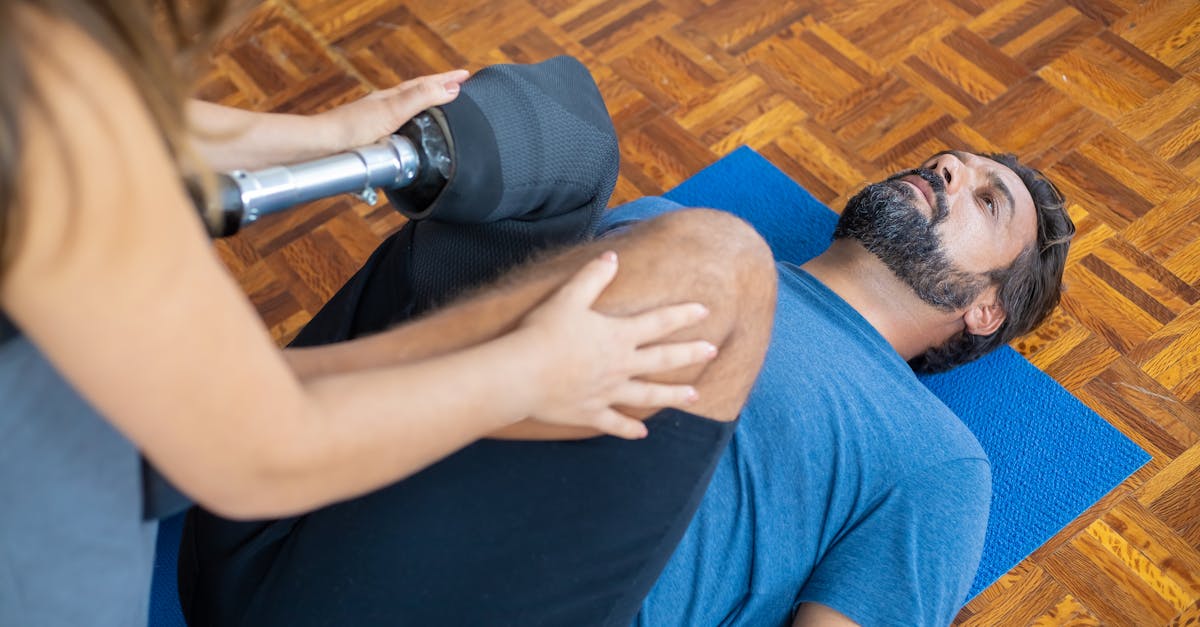
Physical therapy plays a crucial role in managing chronic pain by focusing on targeted exercises and rehabilitation strategies. Therapists assess individual needs, ensuring that each program is tailored to improve strength, flexibility, and mobility. This personalized approach helps patients learn how to perform daily activities with less discomfort. Through a combination of hands-on techniques and self-management strategies, physical therapy can reduce pain levels and enhance overall function in those suffering from chronic pain conditions.
Furthermore, physical therapy can incorporate a variety of modalities to complement exercise regimens. Techniques such as heat therapy, electrical stimulation, and manual therapy can alleviate pain and promote muscle relaxation. Educating patients about their body mechanics and posture also contributes to long-term pain relief. By fostering a proactive approach to pain management, physical therapy empowers individuals to regain control over their lives and improve their quality of life.
Tailoring Exercises for Pain Relief
Finding the right exercises can significantly aid in managing chronic pain. It's essential to identify movements that promote flexibility and strength without exacerbating discomfort. Low-impact activities, such as swimming or cycling, may provide relief while minimizing strain on joints. Working with a physical therapist can help develop a personalized exercise plan that considers individual limitations and pain levels.
Staying consistent with the tailored exercise routine enables gradual improvement. Gentle stretching can enhance mobility, while strengthening exercises might provide additional support to affected areas. Listening to the body and adjusting intensity is vital. Keeping a pain diary can track progress, ensuring exercises remain effective and beneficial over time.
Mind-Body Techniques
Mind-body techniques offer valuable strategies for individuals coping with chronic pain. These approaches focus on the connection between mental and physical health, empowering patients to manage discomfort effectively. Techniques such as deep breathing, guided imagery, and progressive muscle relaxation can help reduce stress and promote a sense of calm. By fostering a heightened awareness of the body and its sensations, individuals can develop a more balanced response to pain.
Meditation and mindfulness are two prominent practices within this realm that have shown promise in pain management. These techniques encourage individuals to observe their thoughts and feelings without judgment. By centering attention and fostering acceptance, practitioners often experience a reduction in pain perception. Regular engagement in these practices can lead to improved emotional resilience and a greater ability to cope with chronic pain, ultimately enhancing overall quality of life.
The Role of Meditation and Mindfulness
Meditation and mindfulness practices offer a powerful approach for managing chronic pain. These techniques encourage individuals to become more aware of their thoughts and physical sensations without judgment. By focusing on the present moment, people can learn to observe their pain rather than react to it. This shift in perception can diminish the intensity of pain, leading to a greater sense of control and reduced anxiety.
Engaging in regular meditation fosters relaxation and can activate the body’s natural pain relief systems. Mindfulness practices often involve deep breathing, visualization, or guided imagery, all of which can promote a state of calm. This state not only alleviates stress but may also enhance overall emotional well-being, making it easier for individuals to cope with chronic pain effectively. Incorporating these practices into a daily routine can be an essential tool in a comprehensive pain management strategy.
FAQS
What lifestyle modifications can help manage chronic pain?
Lifestyle modifications such as improving your diet, engaging in regular physical activity, maintaining a healthy weight, and managing stress through relaxation techniques can significantly help in managing chronic pain.
How can diet and nutrition play a role in pain management?
A balanced diet rich in anti-inflammatory foods, like fruits, vegetables, whole grains, and healthy fats, can help reduce inflammation and may alleviate some chronic pain symptoms.
What are the benefits of physical therapy for chronic pain?
Physical therapy can help improve mobility, strengthen muscles, and reduce stiffness. A physical therapist can develop a tailored exercise program that addresses specific pain issues and promotes overall well-being.
What types of exercises are most beneficial for pain relief?
Low-impact exercises such as swimming, walking, and yoga can be beneficial for pain relief. Tailored exercise programs that focus on flexibility, strength, and endurance can help reduce pain and improve function.
How can mind-body techniques like meditation and mindfulness help with chronic pain?
Mind-body techniques such as meditation and mindfulness can help individuals manage chronic pain by promoting relaxation, reducing stress, and improving emotional well-being, which can influence the perception of pain.
Related Links
What does constant pain do to a person?What is the new drug for chronic pain?