What is the best natural remedy for chronic pain?
The Role of Exercise in Pain Relief
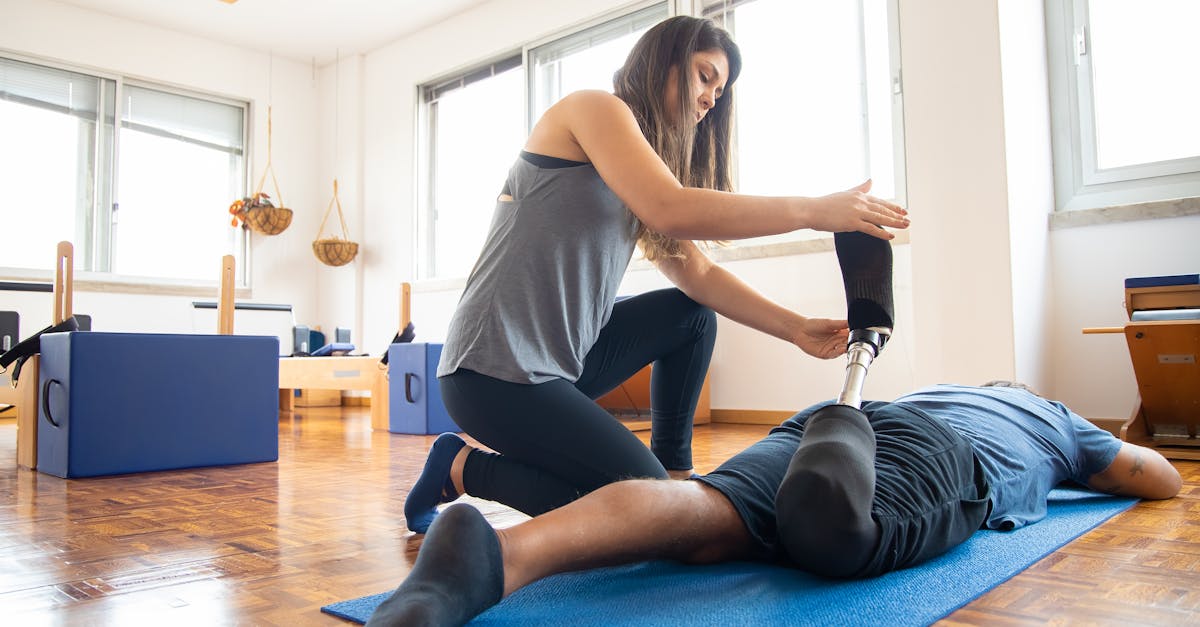
Engaging in regular physical activity can significantly alleviate chronic pain by improving overall strength and flexibility. Exercise works by enhancing blood flow to affected areas, which promotes healing and reduces stiffness. Additionally, physical activity releases endorphins, known as the body’s natural painkillers, which can result in a decrease in the perception of pain. This biological response can lead to increased functionality and a better quality of life for those suffering from chronic conditions.
Moreover, the type and intensity of exercise can vary widely based on individual needs and conditions. Low-impact exercises such as swimming, walking, and cycling can provide effective pain relief while minimizing strain on joints. Incorporating stretching and strength training can complement these activities, contributing to increased muscle support around painful areas. Establishing a consistent exercise routine can empower individuals to manage their pain more effectively and enhance their overall wellbeing.
Types of Exercises That May Help
Incorporating gentle exercises into a daily routine can significantly benefit those experiencing chronic pain. Activities such as walking, swimming, and cycling offer low-impact options that promote mobility without placing excessive strain on the body. These exercises improve circulation and flexibility while helping to maintain a healthy weight, which can further alleviate pain levels. Consistent engagement in physical activity can also enhance mood, providing additional motivation and a sense of accomplishment.
Strength training is another effective approach to managing chronic pain. Utilizing resistance bands or light weights helps build muscle strength, which can support joints and reduce discomfort associated with certain conditions. Stretching exercises contribute to increased flexibility, enabling a wider range of motion and minimizing stiffness. Incorporating yoga or Pilates can be particularly beneficial, as these practices combine strength, flexibility, and relaxation, fostering a holistic approach to pain management.
Mind-Body Techniques for Pain Management
Mind-body techniques focus on the connection between mental and physical health, offering effective strategies for managing chronic pain. Practices such as meditation, yoga, and tai chi encourage a holistic approach, promoting both relaxation and awareness of the body. By engaging in these activities, individuals can cultivate mindfulness, which helps them better cope with discomfort. These techniques not only aim to reduce pain sensations but also enhance emotional resilience, allowing for improved overall well-being.
Incorporating breathwork into daily routines can further amplify pain management efforts. Controlled breathing techniques may lower anxiety and facilitate a calm state, directly impacting how pain is perceived. Visualization techniques, where individuals imagine a place of peace and comfort, can also divert focus away from discomfort. Together, these practices create a comprehensive framework for addressing chronic pain, teaching individuals to take an active role in their healing process.
Practices That Promote Relaxation and Reduce Pain
Deep breathing techniques can significantly enhance relaxation and help manage chronic pain. This practice encourages individuals to focus on their breath, promoting a sense of calmness that can alleviate discomfort. By reducing stress levels, deep breathing not only fosters a peaceful state but also decreases the perception of pain.
Mindfulness meditation is another effective method for pain reduction. Individuals who engage in mindfulness learn to observe their thoughts and feelings without judgment, which can transform their relationship with pain. Regular practice of mindfulness can cultivate acceptance and foster resilience, leading to improved overall well-being and pain management.
Acupuncture as a Natural Remedy
The practice of acupuncture involves inserting thin needles at specific points on the body to promote healing and balance. Traditionally rooted in Chinese medicine, it has gained recognition in Western health practices for its potential to alleviate chronic pain. The mechanism is believed to stimulate the nervous system, release endorphins, and improve blood flow, providing relief from various pain conditions.
Research has shown promising results regarding acupuncture's effectiveness in treating chronic pain. Studies indicate that patients often experience reduced symptoms of conditions such as back pain, osteoarthritis, and migraines after undergoing acupuncture treatment. While individual responses can vary, many find that regular sessions contribute to improved overall well-being and pain management, making it an appealing natural remedy for chronic pain sufferers.
The Science Behind Acupuncture for Chronic Pain
Research suggests that acupuncture may alleviate chronic pain by stimulating specific points on the body. This process is thought to trigger the release of endorphins and other neurochemicals that play a role in pain relief. By activating these natural painkillers, acupuncture can provide an effective means of managing discomfort without the need for pharmaceutical interventions.
Additionally, studies have shown that acupuncture can influence the body’s pain response mechanisms. It may help to reduce inflammation and improve blood circulation in affected areas, promoting healing and further alleviating pain. As more clinical evidence emerges, acupuncture is gaining recognition as a relevant option for individuals seeking natural remedies for chronic pain management.
FAQS
What are some natural remedies for chronic pain?
Some effective natural remedies for chronic pain include exercise, mind-body techniques such as meditation and yoga, acupuncture, and various herbal supplements.
How does exercise help in managing chronic pain?
Exercise can help reduce chronic pain by releasing endorphins, improving flexibility, and strengthening muscles that support painful areas, which can alleviate discomfort over time.
What types of exercises are recommended for chronic pain relief?
Low-impact exercises such as walking, swimming, cycling, and gentle stretching are often recommended, as they can provide relief without putting excessive strain on the body.
Can mind-body techniques really make a difference in pain management?
Yes, mind-body techniques like mindfulness meditation, deep breathing, and yoga can promote relaxation, reduce stress, and help manage the perception of pain effectively.
Is acupuncture a proven treatment for chronic pain?
Acupuncture has shown positive results in many studies as a natural remedy for chronic pain, helping to stimulate the body’s healing processes and reduce pain perception.
How often should I practice relaxation techniques for chronic pain?
It’s generally recommended to practice relaxation techniques daily or several times a week to maximize their benefits for chronic pain management. However, individual needs may vary.
Related Links
What does living with chronic pain do to a person?Which blood test for body pain?